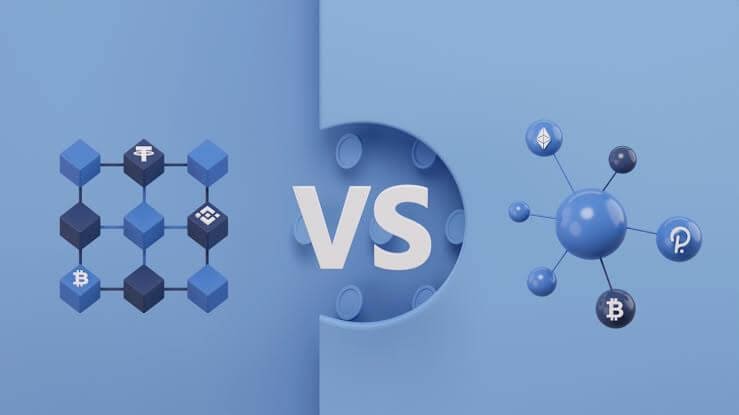
Decentralized exchanges enable peer-to-peer trading without a central custodian. They rely on on-chain wallets, liquidity pools, or order books to match orders and settle trades. AMMs price assets algorithmically, while cross-chain swaps use bridges and protocols to move value across networks. Governance, transparency, and programmable rules shape updates, yet users face unique risks such as impermanent loss and smart-contract security. The trade-offs and evolving standards merit closer scrutiny as the space matures.
What a DEX Is and How It Differs From Centralized Exchanges
A decentralized exchange (DEX) is a trading platform that matches buyers and sellers directly on a blockchain, without relying on a central custodian or intermediary to hold funds.
DEX governance shapes protocol updates and community-defined rules.
Unlike centralized venues, custody remains user-owned, reducing counterparty risk.
Cross chain swaps enable cross-network trades, expanding liquidity while preserving autonomy; transparency remains paramount for freedom-focused stakeholders.
Core Mechanisms of DEXs: Liquidity Pools, AMMs, and On-Chain Order Books
Liquidity provision and trade execution on decentralized venues hinge on three core mechanisms: liquidity pools, automated market makers (AMMs), and on-chain order books.
The framework supports transparent pricing, programmable liquidity, and accessible custody through on chain wallets.
Participants pursue liquidity mining rewards, while developers explore flash loans, risk assessment metrics, and protocol incentives to balance efficiency, security, and freedom.
Risks and Roles for Users: Impermanent Loss, Providers, and Security
Is impermanent loss a critical risk at the heart of user participation in decentralized exchanges, and how do providers—whether retail or institutional—navigate it alongside security considerations?
The analysis focuses on impermanent risk and provider incentives, highlighting data-driven risk assessments, liquidity provision dynamics, and security protocols. Providers balance fees, hedges, and risk diversification within evolving regulatory and market conditions to sustain participation.
How to Evaluate and Get Started on a DEX: Criteria, Steps, and Safety Practices
Evaluating and getting started on a decentralized exchange (DEX) requires a structured, data-driven approach that weighs criteria, steps, and safety practices with market realities; the process emphasizes objective metrics over intuition.
This analysis outlines evaluating liquidity, governance participation, onboarding security, and liquidity mining, detailing due diligence, stepwise onboarding, risk controls, and continuous monitoring for freedom-minded traders seeking transparent, resilient liquidity ecosystems.
See also: How Blockchain Technology Can Support Environmental Monitoring
Conclusion
Decentralized exchanges represent a shift toward user-controlled liquidity and transparent pricing, yet they demand diligent risk management and technical literacy. Data indicate that TVL in DEXs surged into the trillions during peak crypto cycles, underscoring growing institutional engagement alongside retail participation. While AMMs, liquidity pools, and on-chain order books enable permissionless trading, smart contract risk and impermanent loss persist as meaningful considerations. Ongoing governance and cross-chain protocols will shape resilience, efficiency, and capital efficiency in evolving DEX ecosystems.
