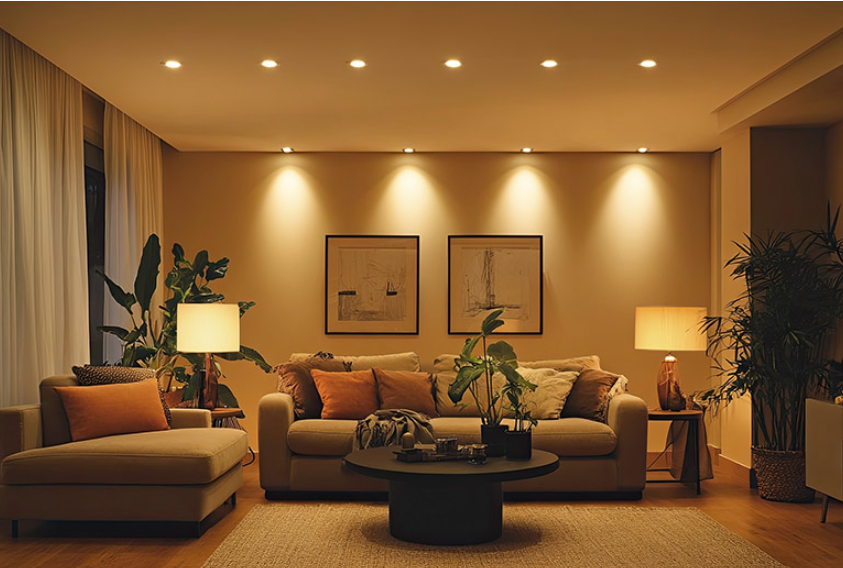
Lighting plays an important role in shaping the appearance and atmosphere of an interior space. While a single ceiling light may provide basic illumination, it rarely creates the warmth, depth, and visual interest that make a room feel complete. Layered lighting offers a more flexible approach by combining different light sources to support everyday activities, highlight design features, and establish a comfortable atmosphere.
A well-planned lighting scheme considers how people use each room, the natural light available, and the interior features worth highlighting. By combining ambient, task, and accent lighting, homeowners can create spaces that feel balanced, welcoming, and visually appealing.
Understanding the Three Main Layers of Lighting
Layered lighting generally consists of three main types: ambient, task, and accent lighting. Each serves a different purpose, but they work best when planned together.
Ambient lighting provides the general illumination needed to move comfortably around a room. Common sources include ceiling-mounted fixtures, recessed downlights, chandeliers, and well-positioned wall lights. It establishes the overall brightness of a space and helps create a consistent lighting foundation.
Task lighting focuses on specific areas where additional visibility is required. Examples include reading lamps, kitchen under-cabinet lights, bathroom vanity lighting, and desk lamps. These fixtures make everyday activities easier while reducing the need to brighten the entire room.
Accent lighting draws attention to selected features, such as artwork, architectural details, shelving, textured walls, or decorative objects. Directional spotlights, picture lights, and concealed LED strips can introduce contrast and make interior elements stand out.
Combining these three layers creates a more complete lighting arrangement than relying on one central fixture.
See also: How Blockchain Technology Can Support Environmental Monitoring
Creating Depth Through Light and Shadow
One of the main advantages of layered lighting is its ability to add depth to an interior. When light comes from different directions and at different heights, it creates subtle variations in brightness and shadow.
For example, a living room with recessed ceiling lights, a floor lamp beside the sofa, and accent lighting behind a shelving unit will generally feel more dynamic than a room illuminated by a single overhead fixture.
Shadows also contribute to the visual character of a space. Carefully positioned lighting can highlight textured surfaces, emphasise architectural details, and create a sense of dimension. Grazing light along a stone, brick, or decorative wall can reveal surface patterns that might otherwise go unnoticed.
The key is to avoid making every area equally bright. A thoughtful balance between illuminated and softly shaded areas gives a room a more natural and inviting appearance.
Using Lighting to Establish Different Moods
Lighting influences how people experience a room. Bright, evenly distributed illumination can support concentration and practical activities, while softer lighting can make a space feel more relaxed.
In a living room, ambient lighting can provide general visibility during the day or when entertaining guests. Table lamps and wall lights can create a softer atmosphere in the evening. Dimmable fixtures make it easier to adjust brightness according to the occasion.
Bedrooms benefit from a similar approach. General ceiling lighting can be useful when getting ready, while bedside lamps provide focused illumination for reading. Indirect lighting behind a headboard can introduce a gentle glow without making the room feel overly bright.
Restaurants, entertainment areas, and open-plan homes can also benefit from adjustable lighting. Different combinations of fixtures allow the same space to support several activities without requiring changes to its overall layout.
Highlighting Architectural and Decorative Features
Lighting can help emphasise the elements that give an interior its individual character. Instead of treating fixtures only as sources of illumination, designers can use them to draw attention to important details.
Recessed spotlights can highlight artwork, sculptures, or decorative displays. Wall washers can create an even spread of light across larger surfaces, while concealed LED strips can add subtle illumination to niches, floating shelves, and cabinetry.
Pendant lights can also serve as decorative focal points above dining tables, kitchen islands, and seating areas. Their shape, finish, and placement can complement the interior style while providing useful illumination.
The most effective approach is to select features that deserve attention rather than highlighting every surface. This creates a clearer visual hierarchy and prevents the room from feeling cluttered.
Choosing the Right Colour Temperature
The colour temperature of a light source affects the atmosphere of an interior. It is usually measured in kelvin (K), with lower values appearing warmer and higher values appearing cooler.
Warm white lighting is commonly used in living rooms, bedrooms, and dining areas because it creates a comfortable and relaxed atmosphere. Neutral white lighting can work well in kitchens, bathrooms, and multifunctional spaces where clear visibility is important. Cooler lighting may be suitable for certain work areas, although its appearance should be considered alongside the room’s materials and finishes.
Consistency is also important. Using significantly different colour temperatures in nearby fixtures can make an open-plan interior feel visually disconnected. Selecting compatible light sources helps maintain a cohesive appearance throughout the property.
Making the Most of Natural Light
Artificial lighting should complement natural daylight rather than compete with it. Windows, skylights, and glazed doors can provide valuable illumination during the day, reducing the need for unnecessary artificial lighting.
The position of furniture and the choice of window coverings can influence how daylight travels through a room. Heavy curtains or poorly positioned furniture may block useful natural light, making some areas feel darker than others.
Layered lighting can address these darker areas with appropriately positioned floor lamps, wall lights, or recessed fixtures. Dimmable controls are particularly useful because they allow artificial lighting to be adjusted as daylight levels change.
Reflective surfaces, light-coloured walls, and strategically placed mirrors can also help distribute available light more effectively.
Planning Lighting for Different Interior Spaces
Every room has different lighting requirements, so a successful design should consider its intended use.
In kitchens, general ceiling lighting can be combined with task lighting beneath cabinets and decorative pendants above an island. This arrangement supports food preparation while creating a more attractive environment for dining and socialising.
Bathrooms require practical illumination around mirrors and vanity areas. Well-positioned fixtures can reduce unwanted shadows, while suitable ambient lighting provides comfortable general visibility. Fixtures should always be selected according to the bathroom’s moisture and electrical safety requirements.
Hallways and staircases benefit from consistent illumination that improves visibility and movement. Wall lights, recessed fixtures, and subtle step lighting can provide practical benefits while adding visual interest.
For larger homes, coordinated residential lighting design can help connect different rooms through consistent fixture styles, colour temperatures, and lighting controls.
Improving Flexibility with Smart Lighting Controls
Modern lighting systems offer greater control over how different layers operate. Smart switches, dimmers, and automated lighting controls allow homeowners to adjust brightness and create settings for specific activities.
For example, an evening setting might reduce the intensity of ceiling lights while activating selected table lamps and accent fixtures. A daytime setting could prioritise brighter task lighting in work areas while keeping decorative lighting at a lower level.
Some systems also support scheduling, occupancy sensors, and app-based control. These features can improve convenience and help reduce unnecessary energy consumption when lights are not needed.
When planning a new lighting installation, it is worth considering whether the control system can accommodate future additions. A flexible setup makes it easier to update the lighting arrangement as household needs change.
Bringing Interior Spaces Together with Layered Lighting
Layered lighting is about more than adding extra fixtures. It involves understanding how illumination, shadows, colour, and positioning work together to influence the appearance and functionality of a room.
By combining ambient, task, and accent lighting, homeowners can create interiors that feel comfortable while highlighting the features that make each space distinctive. Careful fixture selection, appropriate colour temperatures, and flexible controls further improve the result.
A considered lighting plan can transform ordinary rooms into more inviting and visually balanced environments. With the right combination of practical and decorative illumination, interior spaces gain greater depth, character, and flexibility.
